
In this article
- 1. You notice your first reaction
- 2. You recognize patterns earlier
- 3. You need less outside validation
- 4. You can examine fear and insight separately
- 5. You pay attention to physical cues
- 6. You stop forcing a decision to feel right
- 7. Your decisions become quieter
- 8. You notice what feels off
- 9. You notice what feels right
- Tarot cards associated with intuition
- A four-card intuition spread
- Final thoughts
Intuition rarely arrives as a dramatic announcement. More often, you notice a reaction sooner, recognize a familiar pattern, or stop asking ten people to make a decision for you. That does not make every feeling a fact. It means you are getting better at listening to yourself while remaining open to evidence.
1. You notice your first reaction
Before you begin explaining a situation away, you catch an initial yes, no, hesitation, or sense of ease. Write it down without turning it into a final conclusion. You can return to it after learning more.
2. You recognize patterns earlier
A familiar dynamic in a relationship or an old habit becomes easier to spot. You remember how similar situations unfolded and ask better questions this time. Pattern recognition is a practical part of intuition.
3. You need less outside validation
Advice can still be valuable. The difference is that you also ask what you think, what you know, and what matters to you. You can hear another opinion without handing over the entire choice.
4. You can examine fear and insight separately
Fear may generate a string of imagined disasters. A first impression may be much simpler: “Something here needs a closer look.” Neither feeling should be treated as automatic proof. Name the concern, identify what you know, and see what can be checked.
5. You pay attention to physical cues
Tension, ease, or a heavy feeling can be information about your response to a situation. They can also reflect stress, tiredness, or past experience. Notice the sensation, then consider its context.
6. You stop forcing a decision to feel right
Perhaps an opportunity looks perfect on paper, yet you keep trying to talk yourself into it. Ask what specifically feels mismatched. You may find a solvable concern, or learn that it is time to choose differently.
7. Your decisions become quieter
You may still feel uncertain, but you spend less time arguing with yourself. A choice can be thoughtful without being endlessly reviewed.
8. You notice what feels off
A conversation, promise, or offer prompts a question. Instead of panicking or dismissing yourself, you ask for details. Intuition can be an invitation to gather information.
9. You notice what feels right
Intuition is not only a warning system. It can also appear as curiosity, interest, and a sense that a choice fits your values. Give positive impressions the same thoughtful attention.
Tarot cards associated with intuition
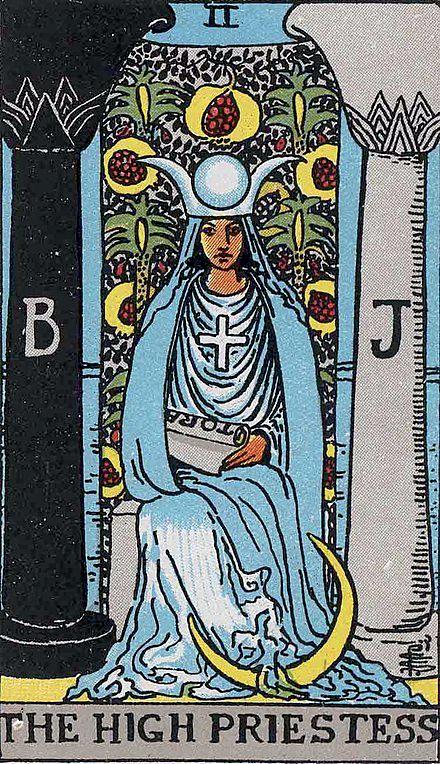
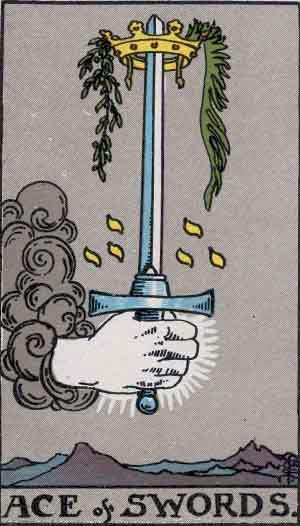
The High Priestess invites you to listen before explaining. The Moon can reflect uncertainty and hidden assumptions. The Hermit suggests quiet reflection. The Ace of Swords can point toward a clarifying insight. No single card proves what another person thinks or predicts an outcome.
A four-card intuition spread
- What am I noticing?
- What fear or wish may be coloring my view?
- What information am I missing?
- What would a grounded next step look like?
Write your first response before checking a guidebook. Then compare your interpretation with the traditional meaning and the facts of the situation. For a more focused card practice, try three ways to develop tarot intuition.
Final thoughts
A stronger intuition does not make you certain about everything. It helps you recognize your own signals, ask sharper questions, and trust yourself to respond when new information arrives.
Explore the cards

Learn with Angela
Give your practice a little structure
Explore Learn to Read Tarot and the Manifest With Tarot journal for guided study, card practice and written reflection.
Explore the workbook and journal